
Just transition in renewable energy
The energy transition must be a just transition. Keep reading to find out how we work to protect human rights, make sure local communities benefit from new renewable development, and create safe and fair working conditions across our operations and value chains.
What is a just energy transition?
Before explaining how we work to deliver a just energy transition, it might be useful to start with this: what is a just transition?
The idea of a just transition first became popular in the 1980s when trade unions looked to protect workers affected by things like new water and air pollution regulations. Today, it’s become tightly linked to the world’s climate goals, with the target of ensuring that all parts of society are included fairly in the transition to a more sustainable future.
As Europe’s largest producer of renewable energy, it goes without saying that Statkraft bears a big responsibility when it comes to delivering a just transition in the development of renewable energy. We’ll explain some of the key areas we need to focus on below, starting with minority and Indigenous rights.
Protecting Indigenous and Tribal peoples’ rights
When we develop projects, it can be the case that they have an impact on Indigenous, tribal, native, or other minority groups. Those impacts could affect livelihoods, cultural traditions or land use. Naturally, we take these realities very seriously, so what do we do about it?
The most critical thing we can do is work closely with communities. That can include actions like assessing how developments could impact local traditions or providing ways for people to raise concerns and get answers. Sometimes, impact is unavoidable. In those cases, we work to offer benefits such as financial compensation, replacement land, and support for local education or infrastructure.
Supporting local communities to create shared value
We want the communities we work in to experience real, positive change from our presence. We do that by teaming up with local groups that know the area best. That’s the most effective way to create opportunities, tackle challenges, and bring lasting benefits. On a national level, we work with sustainability networks and organisations to find ways of extending those benefits beyond individual projects and reach even more communities.
Safe and fair working conditions
A just transition wouldn’t be just if the workers across the supply chain weren’t working under circumstances that were safe and fair. We follow international labor rights standards, and we’re committed to the standard that all employees and supply chain workers should have fair pay and safe working conditions. As part of that commitment, we run detailed assessments to prevent human rights risks in our workplace and supply chain. If an action is required based on an assessment, we take it.

Opposing modern slavery
Statkraft strongly opposes the use of forced labour, and we follow up on that in a couple of ways. Firstly, when we procure (buy or source) products or services from companies, we emphasise human and labour rights commitments at each stage of the process. For high-risk products we also seek to avoid sourcing goods that might be produced with forced labour by including specific disclosure requirements for sub-suppliers and traceability / chain-of-custody audit rights for very high-risk products to verify that the supplier adheres to the contract requirements. In addition, we work with industry associations and peers to raise awareness, increase transparency, and improve industry standards through relevant sector initiatives. Examples of associations we work with are the Wind Energy Initiative and the Solar Stewardship Initiative.
Read our Global statement on modern slavery here.
Reporting and transparency
It’s not possible to assess our impact in delivering a just transition if we we’re not conducting transparent reporting on exactly that. That makes reporting a top priority for us and the work we do to protect human rights and contribute with real benefits for people and communities. In fact, Statkraft is legally required to ensure public access to information under the Norwegian Transparency Act, and we respond to inquiries referencing this act.
Related statements and documentation
Global Statement on Modern Slavery
Statkraft presents its statement made pursuant to Section 54(1) of the UK Modern Slavery Act 2015 (the “Act”). This statement describes the steps taken by Statkraft with a view to preventing and comba...
Read more
Human Rights Commitment Statement
As a responsible business we are committed to creating value while caring for people and the environment – this is at the heart of our company culture. Our commitment to care for people is rooted in...
Read more

Six Steps to Human Rights Due Diligence
In developing and implementing policies and practices, Statkraft takes direction from the OECD’s Due Diligence Guidance for Responsible Business Conduct. The six steps, and the manner in which Sta...
Read more

Management Systems for Human Rights
Statkraft works constantly to ensure that human rights are embedded in our business policies and practices, and to strengthen and promote our grievance mechanisms throughout our operations.
Read more
Decent Work in our Supply Chain
Our commitment to respect human rights encompasses our activities and those of our suppliers across our operations.
Read more
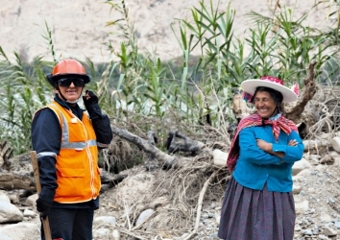
Minority Rights
Based on the results of Statkraft’s 2020 human rights due diligence assessment, supporting and upholding minority rights represents an area of particular importance and focus moving forward.
Read more

Community Impact
We apply good practices in our operations, with the goal of having a positive impact in the communities where we develop and operate power plants. To do so, we put in place initiatives to address key...
Read more

Labour Conditions, including health, safety and security
We are committed to helping our people translate their ideas and knowledge into impactful action. Reflecting that, Statkraft supports and respects internationally recognised labour rights.
Read more

Dive deeper into our sustainability strategy
If you’re curious to know more about our approach, targets, actions and policies behind our sustainability work, you can dive deeper in the Sustainability section of our Annual Report.